Terraria to Play: A Practical Beginner's Guide
Learn how to start Terraria with a clear plan. This step-by-step guide covers modes, progression, world setup, and multiplayer tips to help new players enjoy steady, rewarding progression in 2026.


Terraria to play means choosing a mode, platform, and pace that fits you. Start with a classic Survival run to learn the basics, or try Journey Mode for flexible world settings. Ensure you have Terraria installed on a compatible device, plus time to explore, build, and boss-fight your way through progression.
Why Terraria to Play matters
Terraria rewards curiosity and steady progression more than sheer speed. For new players, a clear aim helps reduce overwhelm and gives a path to follow. According to Pixel Survival, starting with a defined plan dramatically lowers early frustration and accelerates learning, because you know what to chase: shelter, gear, exploration, and boss encounters. The Pixel Survival team found that players who choose a path—classic survival, Journey Mode, or multiplayer—tend to enjoy the game more and progress faster. In Terraria, you decide your route: build a base, explore biomes, craft useful items, and confront bosses in a sequence that suits your playstyle. This guide helps you pick a starting path and stick with it long enough to see tangible progress.
Beyond choosing a mode, you should consider your platform, your preferred pace, and whether you want solo play or a shared world. This approach keeps your early sessions focused and reduces time spent on indecision. By framing your play around a few core goals—survive, explore, craft, and fight—you’ll see meaningful milestones without feeling overwhelmed. If you’re unsure where to begin, this guide will lay out practical options and a recommended progression that works for most new players.
Understanding Terraria: Modes, Worlds, and Progression
Terraria offers multiple ways to experience its vast world, from solo exploration to cooperative builds. You can approach the game with different playstyles, whether you prefer meticulous base building, fast-paced combat, or a balanced mix. Journey Mode provides a more relaxed learning curve by offering customizable world settings, making it easier to experiment with gear, resources, and layouts without permanent penalties. In addition, you can play on different platforms (PC, console, or mobile), which affects control schemes and accessibility. Progression in Terraria is driven by gear upgrades, exploration, and boss encounters that unlock new biomes and content. Your world seed, biomes, and randomly generated events shape what’s available to you on day one, so picking a world that suits your goals matters. This section sets the stage for choosing a starting path that aligns with how you want to play and progress.
Starter Paths: Choosing Your First Playthrough
There isn’t a single “right way” to start Terraria, but there are practical paths that fit different personalities. If you enjoy a challenge and consistent growth, start with a standard Survival run on a normal world and progress through early bosses to Hardmode. If you prefer experimentation and learning mechanics with fewer penalties, Journey Mode lets you customize world settings and freely test gear and boss strategies. For players who love teamwork, multiplayer can be a rewarding way to share bases, coordinate boss fights, and trade resources. Regardless of your choice, the core loop remains: explore, gather, craft, fight, and upgrade. The key is to pick one path and stick with it long enough to experience its milestones, then adapt as you gain confidence.
Pixel Survival Insights
Pixel Survival analysis shows that players who start with a concrete progression plan tend to reach early-game milestones sooner and enjoy a steadier pace of growth. A focused approach helps you avoid stalling in the early game and makes boss battles less punishing since you’ll have better gear and smarter resource management. The team emphasizes building a small, safe base first, then expanding outward to collect resources, craft essential tools, and prepare for tougher foes. This mindset aligns with long-term enjoyment and sustainable progression in Terraria.
Early Game Progression: Key Milestones to Target
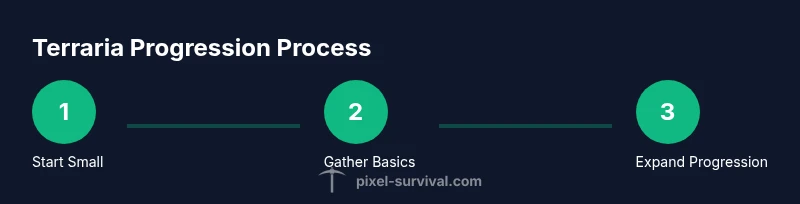
The early game is about establishing a safe home, gathering basic resources, and identifying your preferred playstyle. Start by crafting basic tools from the most common materials, like wood and stone, then upgrade to metal gear as soon as you locate ores. Explore nearby biomes, gather fibers for better clothing, and begin hunting the first minor threats to learn combat timing. Your milestones include securing a reliable supply chain (food, wood, ore), crafting simple armor, upgrading your weapon, and preparing for your first boss encounter. Keep notes of what works in your world because ore quality, enemy spawns, and biome layout can vary.
World Setup and Your First Home
Your first shelter should be a safe, easily defendable space with a warm light source, a craft station, and storage for materials. Place walls and a ceiling to keep you safe from early threats, and design a layout that minimizes backtracking between essential stations (workbench, furnace, chest). Consider your world seed when choosing a location with nearby trees, ores, and biomes you’ll want to explore first. A well-planned base reduces travel time, helps you manage resources, and gives you a consistent place to respawn after encounters with tougher enemies.
Weapons, Armor, and Crafting Essentials
In the early game, basic options are your best friends: wooden tools give way to sturdier stone and iron gear as you progress. Prioritize weapons and armor that balance protection with mobility, so you can explore and gather without getting overwhelmed by enemies. Crafting is a cornerstone of progression; learn which items unlock new recipes and how to farm specific resources efficiently. Keep an eye out for environmental hazards and traps that can drain your supplies and slow your pace—learning to navigate these safely is just as important as upgrading your gear.
Multiplayer and Community Play
Terraria’s multiplayer mode can dramatically change pacing and strategy. Team builds and shared resources accelerate progress, but coordination matters. Establish roles (scout, builder, crafter, fighter) and set expectations for resource sharing and boss attempts. When joining a server, follow its rules, respect pacing, and communicate plans ahead of time. For many players, playing with friends is a gateway to longer sessions and richer exploration.
Pixel Survival Verdict
The Pixel Survival team recommends starting with a clear plan, then adapting as you gain experience. Begin with a controlled path—solo or small group—and focus on building a simple, safe base, gathering gear, and tackling early challenges before complicating your playthrough with additional goals. A steady, iterative approach keeps Terraria approachable and rewarding, even for players new to the series.
Tools & Materials
- Terraria game copy on your platform(PC (Steam/Epic), console, or mobile version installed)
- Input method(Controller or keyboard/mouse setup suited to your platform)
- Account/launcher access(Access to Steam/Epic/Game Center or platform store)
- Stable internet connection(Useful for multiplayer sessions or updates)
- Optional: Journey Mode or Mods(For customized experiences or easier learning curves)
Steps
Estimated time: 2-6 hours
- 1
Prepare your device and install Terraria
Ensure your device meets the game's requirements and install Terraria from your platform's store. Create a safe save path and confirm you can launch the game without errors. This step sets the foundation for everything that follows.
Tip: Verify your game version is up to date to access the latest content and fixes. - 2
Create a new world and a character
Launch Terraria and create a new world with a reasonable size. Generate a new character that you’ll use for this world, choosing a skin or name that helps you recognize this run later.
Tip: Name your world and character clearly to avoid confusion when you juggle multiple saves. - 3
Gather basic resources and craft early tools
Punch trees for wood, mine stone for basic tools, and craft a few simple items at your workbench. Focus on essential gear that helps you survive the first night and begin basic exploration.
Tip: Prioritize a basic weapon and a light source to make night exploration safer. - 4
Build your first shelter
Create a small, secure base with walls, a door, a light source, and storage chests. A defined space reduces risk from early enemies and makes resource management easier.
Tip: Place torches high on walls to maximize visibility and prevent spawn pockets inside your base. - 5
Explore nearby biomes and gather upgrades
Venture a short distance from your base to locate ore-rich areas and useful resources. Collect upgrade materials to improve your weapons and armor as soon as you can.
Tip: Keep a small map or note of where you found ore so you can return for mining later. - 6
Defend against early threats and fight minor enemies
Practice combat by facing easier enemies and learning attack patterns. Avoid overextending into dangerous zones until you’re better equipped.
Tip: Remember to use terrain to your advantage; fight near your base where you can retreat easily. - 7
Upgrade gear and craft stronger weapons
Progress by upgrading armor and weapons using gathered resources. Crafting stations unlock more recipes and allow you to tailor gear to your playstyle.
Tip: Balance defense with offense; keep mobility in mind for better survivability. - 8
Face your first major challenge
A beginner-friendly boss like Eye of Cthulhu offers a tangible milestone. Prepare a modest force, learn its patterns, and coordinate with any teammates if playing multiplayer.
Tip: Don’t attempt a boss fight with insufficient gear; take time to gather resources first. - 9
Consider Hardmode and long-term goals
After a successful early progression, plan for Hardmode and longer-term projects like larger builds or community goals. This marks a natural shifting point in your journey.
Tip: Document what worked and what didn’t to refine future runs.
Got Questions?
What is the first thing I should do when starting Terraria?
Create a character, start a world, and begin gathering basic resources. Focus on shelter, light sources, and simple tools to survive the first night.
Start by making a character and world, gather wood and stone, then build a small shelter with a light source.
Solo or multiplayer—which is better for beginners?
Both work well. Solo lets you learn at your pace; multiplayer offers collaboration and shared resources. Choose based on whether you want cooperation or a solo learning curve.
Both work; solo for a personal pace, or multiplayer for teamwork and shared progress.
Is Journey Mode worth it for beginners?
Journey Mode offers adjustable world settings that can make learning easier by reducing penalties and letting you test strategies without losing progress.
Yes—Journey Mode helps you learn mechanics at your own pace.
Which platforms can I play Terraria on?
Terraria is available on PC, major consoles, and mobile devices. Check your store for the appropriate version and cross-play options if supported.
Terraria is on PC, consoles, and mobile—pick your platform and start playing.
How long does it take to defeat the first boss?
Time to defeat the first boss varies by player and preparedness. With basic gear and planned exploration, many players reach a milestone within a few in-game days.
It varies, but with proper prep you’ll reach a milestone within a few days.
What’s the best way to approach progression?
Progress gradually: secure a base, gather resources, upgrade gear, and tackle bosses in a planned sequence. Don’t rush—learning the mechanics matters more than speed.
Progress step by step—base, gear, then bosses. Take your time to learn the mechanics.
Should I save frequently or not?
Yes. Saving frequently helps protect your progress against unexpected events like boss defeats or world changes.
Save often to protect your progress during exploration and battles.
How do I get better at combat early on?
Practice dodging, learn attack patterns of early enemies, and upgrade gear as soon as you find ore. Mobility and timing trump raw damage at first.
Practice dodging and plan upgrades as soon as you find ore.
Watch Video
Key Points
- Start with a clear plan and per-player goals.
- Choose a mode that matches your preferred pace and teamwork.
- Build a safe base before aggressive exploration.
- Upgrade gear steadily and tackle early bosses for progression.
- Consider Journey Mode or multiplayer for a flexible experience.