What to Build in Terraria: A Practical Guide
Learn what to build in Terraria with a step-by-step plan: starter base, crafting zones, NPC housing, farming, and boss arenas. A complete progression-focused guide for 2026.


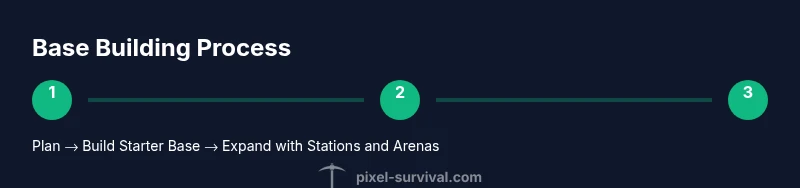
If you’re wondering what to build in terraria, start with a sturdy starter base and a clear progression plan. Begin with a small wooden shelter, then upgrade to stone, brick, and better automation as you unlock materials. Design zones for crafting, storage, NPC housing, farming, and boss prep, keeping paths accessible and defenses ready for night invasions. Plan for scalability from day one.
What to build in terraria: planning your progression
In Terraria, the biggest factor in success is how your base supports your goals across the game. If you’re asking what to build in terraria, start with a scalable plan: a compact starter base that houses your early crafting, a central storage hub, and dedicated spaces for NPC housing, farming, and boss preparation. Think of your base as a series of modules: a core living area, a crafting wing, and expandable wings you attach as you unlock new materials. Layout matters for speed: wide corridors, accessible chests, and clear paths reduce wasted time during emergencies. As you advance, reevaluate your needs whenever you unlock a new resource or biome. A strong design minimizes backtracking and keeps your progression smooth from day one to late-game.
Starter base design: essentials for day 1
Your first minutes in terraria set the tone for your entire world. Build a small, weatherproof shelter with a door, a light source, and a simple crafting area. Include a couple of chests or storage blocks to begin organizing wood, stone, gel, and basic ores. Use wood walls initially for speed, then upgrade to stone and brick as you gather ore. Place a bed or a spawn point if available, plus a few torches to illuminate corridors. A compact two-room layout—one for crafting and storage, one for resting and quick access—lets you adapt quickly to night raids and early boss attempts. Remember: the goal is to be functional, not flashy, so keep everything within a few tiles of your entrance for fast trips.
Crafting stations and ore progression
A streamlined crafting setup accelerates your progression. At minimum you’ll want a Workbench, a Furnace, and an Anvil created early so you can craft basic armor, weapons, and tools. Add a Loom for cloth-related items and a Sawmill if you plan wooden furniture or platforms with more advanced recipes. Prioritize storage: chests placed near your workbenches reduce travel time when crafting batches. As you upgrade materials—from copper to iron to better ores—reorganize your workshop to reflect the new capabilities. Efficient layouts reduce frequent backtracking and make it easier to craft essential items in bulk, speeding up everything from armor upgrades to potion production.
Housing and NPCs: creating livable spaces
NPCs will move in once you meet housing requirements: each room needs a door, walls, a flat floor, a light source, a privacy wall, and a surface for a NPC’s furniture. Plan 6–8 housing slots across your base to accommodate the early vendors and merchant NPCs as you expand. Keep NPC rooms compact but distinct, with easy access to your storage and crafting zones. Colorful, themed rooms help you quickly identify which NPC is in which house and reduce confusion during busy nights. Proper housing not only supports progression but makes visiting traders more convenient, encouraging frequent interactions and steady access to new items.
Storage and organization: keep things sharp
A well-organized base saves time every time you play. Create dedicated chests for different resource groups: wood, stone, metals, ores, and crafted items. Use a simple labeling system (even with color-coded walls) to tell at a glance where things belong. Place frequently used items like torches, fuel, and basic tools near your crafting zone. Consider a vertical storage setup to maximize space and keep your floors clear—the more you can store above head level, the less you trip over. A reliable storage system reduces hunting time and helps you stay focused on exploration and combat rather than inventory management.
Farming and resource rooms: sustainable growth
Farming rooms provide a reliable supply of essentials like crops, herbs, and seeds, while resource rooms store drops from mining expeditions. Set up a small plant room for early-game crops, and scale to more complex farming as you unlock potions and health items. In addition to food, create resource rooms for ores and bars, enabling bulk smelting and bar crafting. With a farming setup, you’ll have a steady stream of consumables for fights and crafting sessions. Keeping farming integrated with your base design ensures you can sustain longer expeditions and reduce downtime between challenges.
Upgrading base materials: from wood to stone and brick
As you gather better ores, upgrade your base’s core materials. Wood is quick, but stone and brick are sturdy and offer better resistance against raids. Replacing walls and floors gradually improves base integrity and prevents frequent material loss during Night or Goblin invasion events. When upgrading, consider reusing existing space: create layered walls or double walls for extra protection. Upgrade pathways should be planned to minimize dismantling your current setup; incremental improvements keep your base functional while you evolve your design.
Boss arenas and preparation: arena layout and weapon choices
Before facing bosses, build a compact but effective arena near your base. A clear space with multiple obstacles provides mobility and safety during battles. Prepare a few reliable weapons and a steady supply of healing items, and stock crafting benches nearby for quick weapon repairs or upgrades between attempts. Plan mobility options like platforms and teleporters if available, and ensure there are safe retreat routes. Boss prep isn’t only about gear; it’s about layout, pacing, and the ability to adapt to each boss’s strategy.
Biome-aware builds: color, materials, and hazards
Every biome suggests different aesthetics and resources. For example, a desert base might favor sandstone, while a jungle base leans on vibrant woods and vines. Aim for a cohesive color palette and material mix that matches your map’s biome, while maintaining durability and accessibility. This alignment helps you navigate biomes during exploration and reduces travel time when gathering biome-specific drops. Don’t neglect lighting and trap awareness in hazardous biomes; good lighting improves visibility and safety during night or rain.
Common mistakes and fixes: avoid backtracking
Many players build beautiful bases that are impractical for progression. Common mistakes include putting too many doors in the wrong places, creating dead-ends that waste time, and neglecting NPC housing early on. Fixes include consolidating crafting zones, simplifying routes between storage and workstations, and ensuring every NPC has a dedicated room. Regularly review your layout after unlocking a new material or encountering a new biome. Small adjustments early on prevent bigger rewrites later, keeping your progress smooth and enjoyable.
Tools & Materials
- Axe (Iron or better)(Faster wood gathering for early bases)
- Pickaxe (Copper or Iron)(Rock and ore mining)
- Wood(Basic building material)
- Stone/Brick blocks(Upgrade base durability)
- Work Bench(Essential crafting station)
- Furnace(Smelting metals and ores)
- Anvil(Crafting metal gear and tools)
- Chest(Inventory organization)
- Door(Access control and safety)
- Torches(Light and mob control)
- Loom(Cloth items and clothing)
- Sawmill(Woodworking for furniture)
Steps
Estimated time: 2-5 hours
- 1
Survey the world and plan your footprint
Take a moment to map out the area around your spawn. Decide where your core base, storage, and early NPC houses will sit. This planning reduces later rewrites and speeds up crafting when resources are limited.
Tip: Draw a simple outline on paper or in-game to visualize flow between zones. - 2
Gather essential materials
Punch trees for wood, mine stone, and collect basic ores. Early metal upgrades directly influence how quickly you can upgrade walls, tools, and equipment. Gather enough wood and stone to establish a sturdy starter base.
Tip: Prioritize wood and stone first; they determine your base’s reliability and growth pace. - 3
Build a sturdy starter shelter
Create a compact two-room base with walls, flooring, a door, a light source, and a basic crafting bench. Include a couple of chests to kick off storage. Plan space for future expansion without blocking critical paths.
Tip: Keep a clear path from the entrance to crafting and storage to minimize backtracking. - 4
Set up crafting and storage zones
Place your Workbench, Furnace, and Anvil within easy reach of storage. Group similar items together and label chests by category. This makes bulk crafting more efficient and reduces travel time during busy play sessions.
Tip: Group frequently used items near your crafting zone for quick access. - 5
Create NPC housing and safe zones
Reserve modest rooms with doors and sufficient lighting for imminent NPCs. Ensure each house has a distinct appearance and is not blocked by clutter. Safe routes between housing, crafting, and farming zones keep progression smooth.
Tip: Avoid overcrowding a single area; spread NPCs across multiple rooms for easier navigation. - 6
Expand to early mid-game with new materials
As you unlock iron and larger ores, replace wooden walls with stone or brick and upgrade tools. Reorganize storage to reflect new resource streams and adapt your base to accommodate higher-level items.
Tip: Schedule a mini-renovation after a major unlock to maintain an efficient layout. - 7
Plan boss arenas and preparation
Create a dedicated arena near your base with room to maneuver, traps or platforms if available, and quick access to healing items. Maintain a small weapon stash and a helper crafting area close by for quick upgrades between attempts.
Tip: Arena layout should prioritize mobility and safe zones for healing during fights. - 8
Scale with biome-aware builds
Choose materials and colors that fit your biome while maintaining durability. Lighting and signage help you navigate different biomes during exploration and ensure safety in hazardous areas.
Tip: Use biome-themed decor to boost morale and map readability during expeditions. - 9
Review and iterate to avoid backtracking
Periodically reassess your base layout after major unlocks. Remove redundant rooms or benches and streamline pathways to keep progression friction-free.
Tip: A quarterly layout audit saves hours in long campaigns.
Got Questions?
What is the best starter base size in Terraria?
There isn't a universal size; aim for a compact, two-room starter base that fits your crafting and storage needs. Ensure enough space for a doorway and basic benches, with room to expand as you unlock new materials.
A compact two-room starter base works well; ensure room for crafting and storage with space to grow.
When should I start NPC housing?
Start NPC housing as soon as you have space and basic safety. Housing helps merchants and other NPCs move in, which expands your access to new items and services.
Begin NPC housing as soon as you have safe rooms ready; it unlocks better equipment and services.
What are essential crafting stations early on?
At minimum, you need a Workbench, Furnace, and Anvil. If possible, add a Loom for cloth items and consider a Sawmill later for wooden furniture and upgrades.
Start with a workbench, furnace, and anvil; add loom and sawmill as you expand.
How do I protect my base from invasions?
Use sturdy walls, a door, and ample lighting. Keep corridors clear and create staggered routes to minimize crowding during night invasions.
Light up your base and keep doors and walls sturdy to fend off invasions.
How can I adapt builds to different biomes?
Choose materials and colors that reflect the biome while maintaining durability. Biome-aware builds improve navigation and morale during exploration.
Match materials to your biome for easier navigation and aesthetics.
What should I build to prep for bosses?
Create a small, clear arena with mobility options and quick access to healing items. Keep a reliable weapon and a nearby crafting area for quick upgrades between fights.
Set up an arena and have a quick-access crafting area for boss fights.
Watch Video
Key Points
- Plan your base around progression needs
- Start with a functional starter base and expand
- Organize crafting, storage, and NPC housing for efficiency
- Build arenas and plan for bosses early
- Biome-aware design improves navigation and efficiency