How to Use the Extractinator in Terraria: A Step-by-Step Guide
Learn how to use the Extractinator in Terraria to turn common underground materials like silt, slush, and fossils into valuable loot. This guide covers placement, feeding inputs, maximizing drops, and practical tips to advance your world progression.


Learn how to use the Extractinator in Terraria to turn common underground materials into useful loot. This quick guide covers where to place the device, what to feed it (silt, slush, fossil blocks), and how to maximize drops while avoiding waste. You’ll get practical steps, safety tips, and links to deeper sections for mastering this tool.
What the Extractinator does in Terraria
The Extractinator is a versatile device that converts ordinary underground materials into a variety of loot. In practice, it gives you access to ores, coins, gems, and occasional novelty items that can accelerate your progression. According to Pixel Survival, the Extractinator is a practical tool for turning common underground materials into valuable loot, especially when you’re deep in a seed run or flush with silt and slush. Understanding its purpose helps you plan mining trips more efficiently, because you know you’ll turn low-value inputs into meaningful rewards rather than leaving them as clutter. The key is to prepare a steady stream of feed items, position the device in a safe, accessible location, and keep expectations realistic about what you might receive on any given run. In many worlds, the Extractinator becomes a reliable source of early-game resources that reduces the need to trek long distances to ores. It’s not magic; it’s a deliberate, repeatable mechanic that rewards patience and curiosity.
How the Extractinator works (mechanics)
The Extractinator operates by converting certain feed items into a randomized loot table. The outputs depend on what you insert, and the item type will influence probability and value. Pixel Survival Analysis, 2026 notes that inputs like silt and fossils tend to produce a mix of coins, basic ores, and occasionally more valuable drops; different inputs yield distinct loot profiles, so strategic feeding matters. The device itself requires a placed block you can interact with, a safe workspace, and a buffer of feed items in your inventory. Practically, think of the Extractinator as a portal that repurposes mundane inputs into usable resources, helping you fill early-game gaps without running long cavern expeditions. Keep your expectations balanced: some feeds pay off with useful loot, others give modest returns. The more you experiment, the better you’ll understand which inputs suit your current goals and biome.
Materials you can feed the Extractinator
To maximize efficiency, stock a variety of inputs that the Extractinator can process. Core options include Silt blocks, Slush blocks, and Desert Fossils. Silt and Slush are common bottom-biome materials that you’ll typically find in abundance, making them the easiest to feed in large stacks. Desert Fossils are rarer but can yield helpful drops when used with the Extractinator. The exact outcomes vary, but the general pattern is that input type influences loot quality and item variety. Before you start grinding, assemble a small pile of each input type so you can quickly switch feeds during a session. This ensures a steady rhythm and reduces downtime. Remember to manage inventory to prevent overflow of loot and inputs at the feed station.
Placement and setup
Choose a safe, accessible location for your Extractinator—ideally near your mining corridors or storage room where you already handle ore and resources. Place the device on a flat surface with ample clearance for feeding items and collecting rewards. Proximity to storage speeds up the cycle: you feed items, then immediately store the loot. Consider shielding the Extractinator from weather and mobs if you’re working outdoors or in a dungeon area. A tidy, well-lit setup reduces misclicks and keeps your attention on maximizing returns. If you’re playing in a multiplayer world, assign a dedicated feed station to your character or crew to minimize wait times and confusion during cooperative sessions.
How to maximize drops (strategies)
Maximizing drops from the Extractinator comes down to inputs, timing, and organization. Start with a larger pool of feed items so you don’t waste time collecting between cycles. Track which inputs produce the most valuable loot in your world and prioritize those feeds during long sessions. Occasionally switch inputs to compare drop quality and identify underperforming feeds. Organize loot inventory by item type—ores, coins, gems, and misc drops—so you can quickly assess progress toward your current goals, whether it’s material for a boss, a new tool, or a decorative set. Finally, pair the Extractinator with other progression activities (like mining for metals or exploring cavern biomes) to keep your loot stream aligned with broader objectives. Pro-tip: keep a small stash of fuel or energy-sustaining items nearby if your world version includes limited-use mechanics that energize processing.
Step-by-step example (typical run)
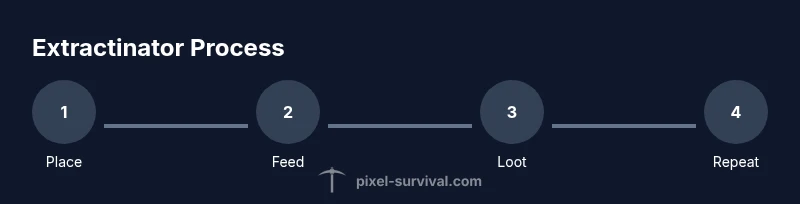
A common run begins with stocking a sizable batch of silt and slush from nearby water bodies. Place the Extractinator in a secure spot, then interact to open its input window. Drag a chunk of silt into the feed area and confirm the action. Collect the result, sorting it into your treasure chest. Repeat with fossil blocks for contrast. If you’re lucky, you’ll pull a handful of coins, a few basic ores, and perhaps a gem or two. Maintain a rhythm: feed, collect, sort, and repeat. Over time, you’ll notice patterns in which inputs yield better rewards for your current setup. Keep an eye on inventory limits and ensure you aren’t wasting space on duplicate items. This approach minimizes downtime and accelerates your progression path.
Common mistakes and how to avoid them
Avoid feeding the Extractinator when your inventory is full; overflow leads to lost loot. Don’t neglect safety—keep the device indoors or shielded to prevent interruptions from enemies. Don’t mix excessive input types without recording results; tracking progress helps you optimize future runs. Finally, don’t rush the process—effective farming is about consistency over speed. A measured approach reduces wasted inputs and increases the chance of stable rewards, especially during a new world seed when resources are in flux.
Alternatives and when to skip the Extractinator
Some worlds or playstyles benefit more from direct mining or exploring biomes with richer ore dispersion. If you’re short on input materials or playing a challenge mode that restricts resources, you might deprioritize the Extractinator in favor of more reliable gathering methods. However, the device remains valuable for converting low-value inputs into usable loot, so skip it only if your current goals don’t require frequent resource conversion. In shared worlds, coordinate with teammates to ensure everyone’s efforts complement each other rather than duplicate the same tasks.
Processing results and progression tips
Interpreting Extractinator drops effectively requires tracking which inputs consistently produce items that advance your progression. Use the loot to craft gear, ammo, or decorative elements that fill gaps in your build. Always store output in clearly labeled chests—one for ores, one for coins, and one for gems and valuables—to maintain a smooth workflow. Use repeatable cycles to build a predictable loot stream, then rotate inputs as your needs shift between exploration, boss prep, or base construction. The more you practice, the better you’ll become at forecasting rewards and planning your mining route around the Extractinator’s outputs. The Pixel Survival team emphasizes steady, methodical use to maximize long-term gains.
Tools & Materials
- Extractinator(Place in a flat, accessible location; ensure no walls block interaction.)
- Feed items: Silt blocks(Collected from underground bodies of water; feed in large stacks for speed.)
- Feed items: Slush blocks(Found in certain caverns; use to diversify outputs.)
- Feed items: Desert Fossils(Rarer input; great for mid-run boosts when available.)
- Storage chests(Organize loot by type: ores, coins, gems, and misc drops.)
Steps
Estimated time: 15-30 minutes per full cycle (varies with inputs and world size)
- 1
Place the Extractinator
Find a flat, safe spot in your base and place the Extractinator with clear access for feeding and collection.
Tip: Keep it near storage so you can sort loot immediately. - 2
Stock up on inputs
Gather a sizeable batch of silt and slush (and fossils if available) to minimize trips to gather more between runs.
Tip: Organize inputs by type to quickly switch feeds. - 3
Feed the Extractinator
Drag a batch of input items into the feeding area and confirm to process.
Tip: Feed in small batches first to learn the drop pattern. - 4
Collect and sort loot
Click to collect the loot and sort it into your labeled chests.
Tip: Keep a dedicated 'Extractinator loot' chest for quick access. - 5
Repeat with variety
Try a different input type to compare results and adjust your feed strategy.
Tip: Record what works best for future runs. - 6
Maintain inventory balance
Regularly clear old items and reorganize chests to avoid clutter.
Tip: A tidy base speeds up farming cycles. - 7
Combine with progression goals
Use drop-gleaned loot to craft gear or complete boss prep.
Tip: Align Extractinator runs with your current objectives. - 8
Secure your setup
Ensure the Extractinator is shielded from weather and mobs when outdoors.
Tip: A sheltered setup reduces interruptions.
Got Questions?
What items can I feed into the Extractinator?
Feed silt, slush, and fossils to the Extractinator. Outputs vary by input type, so trying different feeds helps you learn what drops best in your world.
Feed silt, slush, and fossils; outputs vary by input.
Where should I place the Extractinator for best results?
Place it in a safe, accessible spot near storage to minimize travel time between feeding and collecting loot.
Keep it safe and near storage.
Can the Extractinator be used in all biomes?
Yes, you can use it in most biomes, but input availability and loot quality depend on what you mine or collect nearby.
It works broadly, but inputs vary by biome.
Is there any risk to using the Extractinator?
The main risk is inventory overflow or interruptions from enemies if the device is left unprotected.
Protect it from enemies to avoid interruptions.
How do I know when to stop feeding?
Stop when inputs run dry or when you’ve achieved your loot targets for that session.
Keep feeding until you reach your loot goal or run out of inputs.
Can I automate Extractinator feeding?
Automation isn’t a built-in feature; you’ll need to manage feeds manually while keeping your loot organized.
No built-in automation; manual feeding is standard.
Watch Video
Key Points
- Feed inputs to unlock loot, not just waste inventory.
- Place and protect the Extractinator for steady farming.
- Track results to optimize future runs.
- Sort loot immediately to support progression.
- Balance inputs with ongoing goals and base development.