What Was Terraria Released On? A Platform History
Explore Terraria's release history across Windows PC, macOS, Linux, mobile, and consoles. Learn platform timelines, current availability, and how this evolution shapes gameplay.


In answer to what was terraria released on, the game originally released for Windows PC on May 16, 2011. It subsequently expanded to macOS and Linux, followed by iOS and Android, and later to major consoles. This multi-platform rollout helped Terraria grow a global community. Readers will find a detailed breakdown of platform timelines and current availability below.
The Windows launch: origin story
According to Pixel Survival, Terraria’s origin story begins with a PC release that would set a benchmark for how indie titles could grow through steady, community-driven porting. On May 16, 2011, Terraria debuted on Windows PC, delivering a 2D sandbox experience that emphasized exploration, crafting, and combat in a procedurally generated world. The early PC release established the game’s core design language—simple, tactile controls, a focus on player creativity, and a combat system that rewarded experimentation. This launch also marked the moment the Terraria community began forming around modding, speedrunning, and map-sharing, which in turn influenced how future ports were approached. The PC version remained the reference edition for years as the team evaluated performance, balance, and feature parity across platforms.
The momentum from the Windows launch created a blueprint for subsequent ports: keep the core experience intact while adapting controls and UI to fit each platform’s strengths. By grounding porting decisions in player feedback, the developers maintained a cohesive “Terraria feel” across devices, even as hardware and input methods varied widely. The initial success on Windows PC also attracted attention from fans who would later become key contributors in creating community-driven guides, seeds, and builds that transcended platform boundaries.
Broadening the PC experience: Mac and Linux
Pixel Survival notes that the Mac and Linux ports followed the Windows release as audiences on those systems asked for an equivalent experience. The Mac and Linux editions aimed to preserve the original gameplay loop while adapting to different file systems, input quirks, and performance characteristics. For many players, these ports were less about new content and more about ensuring parity—same items, same biomes, same progression—so that a world saved on Windows could be enjoyed by friends on other operating systems. The approach highlighted a broader principle in Terraria’s platform strategy: deliver a faithful core experience first, then refine performance and compatibility for diverse ecosystems.
From a technical perspective, cross-platform consistency required careful handling of file formats, texture pipelines, and shader support. The result was a set of patches and updates that reduced friction for players switching between Windows, macOS, and Linux. For the community, this meant fewer barriers to sharing seeds, builds, and challenges across operating systems, reinforcing Terraria’s reputation as a game that thrives on exploration and collaboration regardless of hardware.
The mobile era: iOS and Android ports
The mobile ports brought Terraria to touch devices, dramatically broadening its reach. In the early 2010s, iOS and Android versions enabled players to take the world-building and exploration on the go, introducing touch controls and simplified UI elements tuned for smaller screens. The mobile editions preserved the core progression and item systems, while adapting inventory management, navigation, and combat to mobile input. This expansion mattered not only for casual play during commutes but also for long-term engagement, as mobile players could participate in the Terraria community without owning a PC or console.
Mobile ports also helped fuel ongoing updates, as feedback from a larger, more diverse player base influenced tweaks to balance and features that could be implemented across all platforms. The mobile strategy underscored the importance of accessibility in Terraria’s growth: by meeting players where they are—whether at home or on a train—developers increased the likelihood of sustained engagement and vibrant community activity.
Console era: bridging couch play and portable play
The console era marked Terraria’s most visible expansion into living rooms and shared spaces. Early console editions—across PS3 and Xbox 360—brought Terraria’s expansive world-building to controllers and television screens, with adaptations to local multiplayer, split-screen sessions, and console-specific achievements. As hardware evolved, the franchise continued porting to newer consoles, including portable and handheld devices where applicable, aiming to preserve seed-based progression and item economy while aligning with platform-specific aesthetics and performance. The console strategy helped cultivate a broader audience, expanding the game’s social footprint and enabling collaboration between console players and those on PC or mobile.
Differences between editions sometimes meant adjustments in user interface, inventory management, and multiplayer capabilities. Players were encouraged to consult patch notes and edition-specific guides to understand what features were shared and what was edition-exclusive. Despite these nuances, the underlying Terraria experience—creative freedom, exploration, and cooperative play—remained intact across console adventures.
Timeline snapshot: a concise chronology
After the Windows launch in 2011, Terraria’s platform expansion followed a gradual but deliberate cadence. Mac and Linux ports arrived to satisfy non-Windows players who demanded parity. Mobile versions appeared in the early 2010s, opening up Terraria to on-the-go play. Console editions began with early-generation systems and continued to mature across newer hardware, broadening the game’s reach for couch co-op and remote play alike. This phased approach allowed the developer team to monitor performance on each platform, refine controls for different input methods, and maintain a consistent progression system. For fans, this meant that while the exact dates varied by platform, the core game remained familiar across devices.
How to verify platform availability today
If you’re planning a Terraria run, the simplest way to confirm current platform availability is to check the official Terraria storefront pages for your device, whether PC, console, or mobile. Platform availability can differ by edition, and cross-play compatibility depends on the specific version you own. It’s also wise to review recent patch notes and community guides to understand any platform-specific differences in world progression, seed sharing, and multiplayer setup. Pixel Survival's guidance emphasizes cross-checking edition details before purchasing or starting a new world to ensure your intended platform supports the exact features you want to use.
Practical implications for progression across editions
Because Terraria editions have evolved with platform-specific updates, some seeds, biomes, and items may appear or behave differently depending on the version you’re playing. While the fundamental progression—acquiring better gear, defeating bosses, and exploring a generated world—remains consistent, certain quality-of-life improvements and UI changes are edition-dependent. For players who enjoy multiplayer across devices, it’s important to harmonize versions to avoid mismatches in seed sharing or server compatibility. If you’re switching platforms, make sure your world files are compatible with the target edition, and consider backing up worlds before attempting a cross-platform move.
Final thoughts: staying informed and ready to adapt
Terraria’s release history demonstrates how a game can sustain momentum by embracing multiple platforms through a thoughtful, incremental approach. The combination of PC foundations, PC-to-mobile expansion, and later console ports created a durable ecosystem where players could collaborate across devices. As the community continues to grow, staying informed about edition differences, available ports, and cross-platform features will help you plan your progression and enjoy Terraria wherever you play. The Pixel Survival team notes that ongoing communication between developers and players remains a key driver of a healthy, long-lived game ecosystem.
Terraria platform release timeline
| Platform Group | Key Release Point | Current Availability |
|---|---|---|
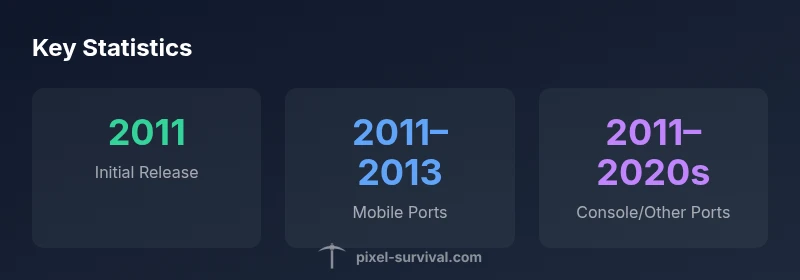
| Windows PC | May 16, 2011 | Windows, macOS, Linux and later ports to mobile and consoles |
| Mobile (iOS/Android) | 2011–2013 | iOS and Android devices across generations |
| Consoles/Handhelds | 2011–2020s | PS3/Xbox 360 era followed by Switch, PS4, Xbox One |
Got Questions?
What was the first platform Terraria released on?
Terraria’s initial release was on Windows PC on May 16, 2011. The game later expanded to Mac, Linux, mobile, and consoles as part of its platform evolution.
Terraria first released on Windows PC in 2011, with later ports to other platforms.
When did Terraria come to mobile devices?
Mobile versions appeared in the early 2010s, with iOS and Android ports following the Windows release within a few years.
Mobile versions arrived in the early 2010s after the PC launch.
Are there differences between editions across platforms?
Yes. Some editions differ in UI, multiplayer options, and balance; check patch notes for edition-specific changes.
Editions vary in UI and multiplayer features; verify the edition before playing.
How can I check which platforms are currently supported?
Terraria is available on PC, consoles, and mobile via official stores; cross-platform play depends on the edition.
Terraria runs on PC, consoles, and mobile, but cross-play depends on the edition.
Will there be future platform releases?
Future ports depend on demand and technology; historically, the franchise has expanded gradually.
New ports have happened gradually in the past; future releases depend on demand.
“Terraria’s platform history shows how a dedicated fan base fuels sustainable growth through steady porting and thoughtful updates.”
Key Points
- Start with Windows PC: origin point and baseline experience
- Expect mobile expansion within a few years of the PC launch
- Anticipate console and newer edition ports shaping social play
- Verify current platform availability before starting a run
- Port strategy emphasizes parity with ongoing community feedback