How to Build Terraria: A Step-by-Step Progression Guide
Learn how to build Terraria bases that scale with progression, from seed selection to NPC housing. A clear plan, practical steps, and modular designs help you conquer worlds efficiently. Pixel Survival guides your journey from shelter to fortress.


By the end of this guide, you will know how to build Terraria bases that scale with your progression: choosing a seed, mapping a safe spawn, gathering basic resources, and constructing a defensible, NPC-friendly base. You'll learn a repeatable progression loop for mining, crafting, and expanding, with practical tips and risk management.
Why planning your Terraria builds matters
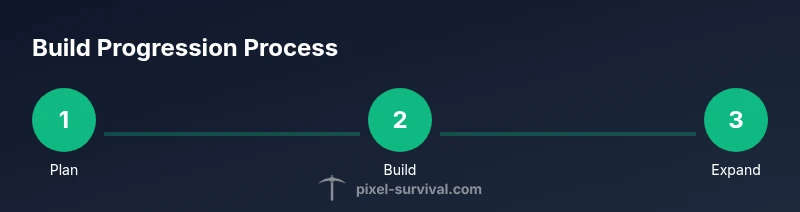
In Terraria, your world is a canvas, but resources, enemies, and biomes behave unpredictably unless you plan. According to Pixel Survival, the most satisfying builds start with a clear plan: a rough layout, a resource map, and a progression path. The reason is simple: without a plan, you chase random improvements, waste space, and miss optimization opportunities. When you learn how to build Terraria bases with intent, you create safe zones, efficient storage, and scalable housing for NPCs. Start by picturing your ideal biome and the early goals you want to achieve in the next few in-game days. A well-planned base reduces backtracking and makes crafting stations accessible from your main hub. As you progress, you’ll adapt the plan to new resources such as ores, furniture, and interactive mechanisms. Pixel Survival's approach emphasizes iteration: sketch a rough layout, test it in-game, adjust for obstacles, then expand. This mindset turns a fiddly world into a coherent, enjoyable project.
Laying the foundation: seeds, world type, and initial shelter
Your choice of seed affects terrain layout and resource hotspots, but you’re not bound to a single possibility. Start by selecting a world seed that matches your desired biomes and early access to ores. In Terraria, normal world vs. corrupted or crimson biomes influence enemy types and treasure availability, so plan your shelter position with the biome in mind. Build a simple starter shelter close to your spawn with a door, a light source, and basic crafting stations (Workbench, Furnace, and a few chests). Provide storage so you can keep track of what you mine, smelt, and craft. This initial setup forms the backbone for all later expansions and keeps your progression logical rather than random. As you gain access to better materials, revisit the layout, ensuring every room remains accessible and easy to defend at night. Pixel Survival’s guidance here emphasizes keeping goals visible and reachable, not hiding them behind a maze of blocks.
Core progression loop: mining, crafting, and exploration
Progression in Terraria follows a repeatable loop: mine resources, craft essential items, and explore for new regions and bosses. Start with basic tools and upgrade as you locate ore and furniture recipes. Each upgrade unlocks new crafting stations and allows you to assemble better equipment, which in turn unlocks access to more biomes and rarer resources. Maintain a steady supply chain by categorizing resources: ore, wood, stone, and fuel, and keep a labeled storage system that you can expand. Regularly expand your storage and keep a map of where you locate key resources so you don’t waste time wandering. The loop becomes a rhythm: mine, craft, explore, repeat, and layer new bases or outposts as needed. Pixel Survival’s approach encourages documenting your plan and reviewing it after milestones to prevent scope creep and stay focused on tangible goals.
Practical build ideas by stage
- Early game: a compact starter hut near your spawn with a door, chair, table, and a single chest. Focus on comfort, light, and easy access to crafting stations.
- Mid game: a square base with separate rooms for NPCs and a central hub for farming and storage. Add platforms, fences, and decorative blocks to improve movement and aesthetics.
- Late game: a large, multi-biome fortress with specialized rooms for extracting resources, automating farming, and housing luminous furniture. Use lighting, banners, and walls that complement your biome choice, and design passages to minimize exposure to roaming enemies.
Adjust size and materials to your world size and personal style. The core idea is consistency: keep doorways open, maintain clear pathways, and avoid clutter that slows down access to your stations. This modular approach makes it easy to expand later without tearing down what you already built.
Defensible bases and NPC housing
A defensible base isn’t just about looks; it’s about practicality and NPC happiness. Each NPC needs a dedicated space that feels like a real room: walls, a light source, a comfortable surface (chair or bench), and a usable crafting area nearby. Plan multiple exits and well-lit corridors to deter nocturnal enemies. Use sturdy materials for the core areas and reserve more decorative blocks for outposts that won’t compromise safety. An efficient base increases NPC income efficiency, makes trading easier, and minimizes downtime when you’re exploring or fighting bosses. The Pixel Survival team emphasizes accessible inventory and safe corridors in every build, which keeps you productive even during late-night expeditions.
Tools, materials, and automation you’ll rely on
Keep a well-stocked toolkit for Terraria base building: a reliable pickaxe, an axe, torches or glowstones, a workbench, a furnace, and a chest system. Group related resources in labeled chests to speed up crafting. For automation, dedicate space for farming plots and simple wiring to manage lights and doors. Even basic automation in vanilla Terraria—organized storage and well-placed lighting—reduces time spent searching for items and improves your overall quality of life. The Pixel Survival guidance favors practical, scalable layouts over complex, fragile contraptions, especially for newer players. Focus on resilient, repeatable systems you can upgrade as you acquire better materials.
Troubleshooting and common mistakes
Common pitfalls include overbuilding before you have the tools, underestimating storage needs, and neglecting NPC housing requirements. Start with a clear, functional layout rather than a flashy exterior, and iterate as you gain access to better materials. Always clear space around your spawn to reduce risk from night creatures, and ensure you have a reliable light source in every room. If you’re stuck, revisit your seed choice and biome alignment to reorient your plan. The goal is steady, incremental progress without burning through resources. Remember that adaptability matters: your first shelter isn’t your last, and your progression path should bend to opportunities like new ores, biomes, and furniture recipes. Pixel Survival’s experience shows that small, consistent improvements beat occasional bursts of big builds.
Tools & Materials
- Wood(Basic building material; enough for doors, walls, and simple furniture.)
- Stone(For stronger early blocks and foundations.)
- Workbench(Unlocks basic crafting recipes.)
- Furnace(Needed for smelting ores and metal items.)
- Torch(Essential light source for safety at night.)
- Copper Pickaxe(Your first mining tool to reach ore.)
- Chest(Organize and store your materials.)
- Axe(Efficient wood gathering.)
Steps
Estimated time: 60-120 minutes
- 1
Choose seed and plan layout
Select a world seed that aligns with your early goals and sketch a rough layout for your base. Decide where you want your spawn, crafting stations, and NPC housing to be located for easy access. This planning reduces backtracking and keeps future expansion straightforward.
Tip: Take a quick screenshot of your plan so you can reference it while you play. - 2
Gather basic resources and set up a starter shelter
Kick off by collecting wood, stone, and a few ores if possible. Build a small, weatherproof shelter with a door, lighting, and a couple of chests. Keep it close to spawn so you can respawn quickly after any failed exploration.
Tip: Prioritize a door with a nearby light and a crafting bench inside the hut. - 3
Place crafting stations and organize storage
Place the Workbench and Furnace early, then set up a simple chest network to categorize items (materials, fuel, tools). Organization saves minutes every session and reduces frustration during raids or boss attempts.
Tip: Label chests visually with recognizable items or colors. - 4
Build a defensible perimeter and lighting
Create a safe perimeter around your base with walls or fences and ensure nighttime lighting covers all entrances. Night monsters are a constant risk; good lighting and clear sightlines minimize surprise attacks.
Tip: Use torches on adjacent walls for even lighting without creating clutter. - 5
Expand for NPC housing and central hub
Plan dedicated NPC rooms that meet basic needs: a wall, light, a chair, and a table, plus nearby crafting stations. A central hub with storage and quick access routes makes progression smoother and NPCs more responsive.
Tip: Avoid cramped rooms; give each NPC a comfortable space to maximize happiness. - 6
Establish early automation and transport
Arrange a simple chest sorting system and basic farming plots to automate daily materials. If you’re comfortable, add platforms or ramps to ease traversal between floors and reduce fall risk.
Tip: Start with a single, low-risk automation plan and expand as you gain materials. - 7
Plan mid-to-late game outposts and resource farms
Identify distant biomes for resource outposts and craft specialized rooms for farming, fishing, or mining. Outposts reduce travel time and help you stockpile rare resources for top-tier gear.
Tip: Document resource locations on a map to prevent duplicate digging. - 8
Review, iterate, and upgrade your base
After a major milestone or new biome access, reassess layout efficiency. Upgrade walls, expand storage, and redesign corridors to fit your growing arsenal of tools and furniture.
Tip: Schedule a quick base audit every few in-game days to stay on track.
Got Questions?
What should be my first priority when starting a new world?
Begin with a small shelter, basic crafting stations, and reliable lighting. Prioritize accessibility to your work areas so you can craft, store, and defend without excessive travel.
Start with a compact shelter near spawn and keep crafting stations handy.
How do I build NPC housing correctly?
NPC housing requires a valid room with walls, a light source, a functional surface, and access to near-by crafting stations. Ensure each room is separate and reachable from your main hub.
Give each NPC a proper, lit room with furniture and nearby stations.
Do seeds affect progression or just terrain?
World seeds mainly influence terrain layout and resource distribution; progression itself follows your gear, biomes, and boss milestones. Seed choice can shape early exploration and resource sinks.
Seeds change the world layout, not the core progression loop.
Can I automate base features in vanilla Terraria?
You can automate storage and farming layouts with careful planning and simple wiring in vanilla Terraria. Complex automation scales with your materials and biome access.
Yes, simple automation is possible with organized storage and farming.
How big should NPC houses be?
Houses should be sizable enough to feel distinct rooms, with walls, lighting, and a chair plus a table. Avoid cramped spaces and ensure each house has access to nearby resources.
Keep rooms comfortable and well-lit, not cramped.
What is the best order to upgrade gear?
Upgrade tools and weapons as you locate better ores. Prioritize gear that unlocks new crafting stations and increases your survivability for boss fights and biomes.
Upgrade as you find new ores and stations, focusing on survivability.
Watch Video
Key Points
- Plan first, build second to stay efficient
- Create an organized storage system early
- NPC housing accelerates progression and trading
- Iterate designs as you unlock new materials
- Maintain safe lighting and clear pathways