Terraria Build: Masterful Planning and Construction Guide
Learn how to plan, design, and execute a compelling Terraria build. This step-by-step guide covers planning, materials, layout, lighting, and progression integration to help you create functional, aesthetic bases that advance your gameplay.


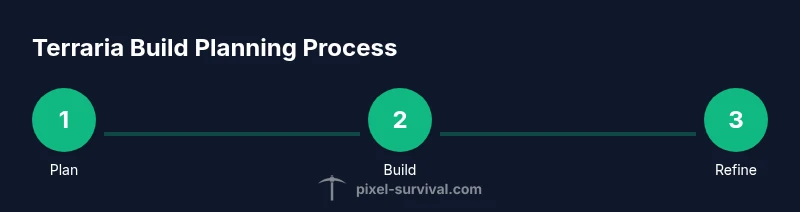
By the end of this guide, you’ll be able to plan and execute a terraria build that supports progression, aesthetics, and utility. You’ll learn how to scope a build, choose materials, blueprint layouts, and iterate for improvements. This tutorial covers step-by-step planning, essential tools, and practical tips to avoid common mistakes while building in Terraria.
Planning Your Terraria Build
A strong terraria build starts with clear goals. Before touching a single block, define what you want to accomplish: a secure base, efficient farming, convenient access to crafting stations, and visual coherence with your chosen biome. This initial framing guides every subsequent choice—from materials to room layout. According to Pixel Survival, starting with a concrete plan reduces backtracking and speeds up progression. Think about how rooms will connect, where NPC housing should go, and how you’ll navigate between the base, mines, and biomes. The goal is a cohesive layout that balances function with form, so you don’t waste time reworking inefficient corners or cramped corridors. The key is to translate playstyle into a blueprint you can follow step-by-step. Terrarium build planning benefits from a simple grid, a rough budget of blocks, and a prioritized list of rooms. Keep your plan flexible enough to adapt to new discoveries in your world.
When you begin, write down three core objectives and one aspirational feature you’d like to add later. This keeps you focused and prevents scope creep as you collect resources and unlock new biomes. In practice, many players start with a basic frame—a central hub with adjacent storage, a crafting area, and NPC housing—then expand outward in waves. A solid plan reduces interruptions and makes it easier to maintain safe travel routes between key zones.
Materials, Palette, and Texture Choices
Choosing materials is more than picking textures; it sets the tone and affects navigation. Wood keeps things light and quick to build, while stone offers durability and clear lines for larger bases. For a more refined look, experiment with brick blocks and concrete accents to create bold contrasts. The palette should reflect your biome goal: a forest-themed build benefits from warm browns and greens; a desert outpost might favor sandy yellows and stone grays; a cavern residence can lean on slate blues and dark browns. Texture variety helps readability—alternate smooth blocks with terraced stair steps and ledges to imply depth. Lighting choices also shape mood. Warm torches and lanterns create inviting interiors, while cool, bluish lighting highlights a more eerie or futuristic vibe. Use consistent lighting levels to avoid dark pockets that spawn more enemies or obscure important features. The materials you pick will influence both function and aesthetics, so plan a few alternate materials in case you need to adapt to resource limits.
Layout and Zoning: Create a Clear Blueprint
A well-organized build uses zones: housing, crafting, storage, farming, and defense. Start with a central hub that houses the main crafting bench and portal connections (if applicable). From there, position NPC housing along accessible corridors so villagers spawn predictably without crowding. Place storage near the storage-reliant zones (mining, crafting, and farming) to minimize backtracking. A grid-based layout helps you maintain symmetry and avoids wasted space. Reserve space for future expansions—some players plan multiple wings for different biomes or boss prep rooms. If you’re building above ground, maintain consistent floor heights to prevent awkward gaps or clipped walls. Always test movement flow by running through the planned routes. A clean blueprint reduces confusion during late-game expansions and keeps your base sustainable as you unlock new materials and stations.
Foundations: Building a Strong, Expandable Base
Foundations determine how large your build can grow without compromising stability or access. Start with a flat, well-supported ground or elevated platform to keep water and enemies at bay. Use stone or brick blocks for a sturdy base; ensure walls are properly supported so you don’t encounter collapses or clipping when you add upper floors. Leave room for staircases or ladders, especially if you plan vertical expansion. A balanced foundation supports future rooms and keeps NPCs from being displaced by doorways or partitions. Pro tips: mark corners with distinct blocks to keep geometry readable; consider an outer wall that doubles as a balcony or gallery to showcase armor sets or banners. A solid foundation also simplifies structural changes because you’re not fighting gravity or alignment when you add new wings.
Rooms and Zones: Housing, Crafting, and Storage
Break the base into functional rooms: at least one housing area (npc-friendly), a central crafting zone with benches and anvils, and a spacious storage room with labeled chests. Ensure doors align with corridors and that pathways are at least three blocks wide to avoid cramped movement. Place armor stands and weapon racks in the main hall for quick access. Crafting stations should be easy to reach from storage, so you don’t wander across the map to assemble items. You can color-code rooms by biome or function, which aids memory and reduces time spent searching. Avoid blocking NPC spawn points with doors or furniture. In addition, reserve a small workshop area for specialized builds or experiments with new blocks you discover late in the game.
Lighting, Atmosphere, and Safety
Lighting is not merely cosmetic; it guides NPCs and helps you see hazards. Use a mix of torches, lanterns, and glow items to avoid shadows that hide enemies. Color temperature matters: warm orange or yellow tones feel cozy; cooler blue hues imply a high-tech or underwater vibe. Place lighting in patterns: evenly spaced rows along walkways, brighter light near crafting benches, and dimmer accents for decorative corners. Safety matters too—keep entrances clear of debris and ensure you have a fallback route if the primary doorway is blocked. The right lighting improves visibility for mining, exploration, and combat, reducing the risk of ambushes while you work.
Decor and Personal Touches: Aesthetic Elements with Function
Decor strengthens the sense of place and sets mood. Add banners, paintings, and furniture that reflect your theme. Functional decor includes maps, shelves, shelves, and display racks that store items you frequently grab. Remember to balance form with function: decorative blocks should not clog hallways or obscure essential items. A cohesive color palette makes rooms feel intentional rather than random, and repeating motifs (arches, columns, or patterns) unify the build. If you plan future updates, leave open niches for banners, art, or trophy walls. Finally, consider how your terraria build presents from various angles—make sure you have at least one view that shines from the entry to the heart of the base.
Progression-Integrated Design: Boss Prep, Biomes, and Access
A great terraria build helps you progress through bosses and biomes by providing safe zones, ready access to loot, and efficient travel. Place boss-specific rooms near open spaces, but far enough from living areas to avoid accidental encounters. Set up corridors that lead to biomes you’ll explore or farm, with clear markers to prevent getting lost. Create a dedicated boss arena with appropriate platforms and healing items nearby. Crafting stations should be near storage and farming zones so you can quickly upgrade gear after a dungeon delve. Finally, ensure you maintain water-avoidance planning and pathing for a quick retreat if the fight turns unfavorable. With a thoughtful design, your terraria build becomes a reliable backbone for progression and exploration.
Testing, Iteration, and Polished Finishing Touches
After laying out the base, test every route, door, and workstation. Look for bottlenecks where you can get stuck while carrying items or fighting enemies. Iterate by moving rooms, adjusting widths, or swapping textures to improve readability. Run through the base in both day and night cycles to spot dark corners and spawn points. Fine-tune lighting for visibility and mood, and add small, repeatable patterns in railings or arches to create a polished look. Finally, don’t fear little changes—your terraria build should evolve as you unlock new materials and mechanics. Empirical refinement is part of progress, not a failure.
Common Mistakes and Optimization Tips
New builders often overbuild or misplace NPC housing, causing spawn issues. Others make corridors too narrow, creating movement friction during fights. Over-ornamentation can clutter rooms and obscure essential stations. A common fix is standardizing room sizes and keeping major pathways clear. Optimization also means preserving resources; reuse blocks and furniture where possible to keep inventory balanced. Regularly review your layout to ensure it remains accessible and expandable. Finally, keep alignment consistent—straight walls and level floors look neater and reduce visual noise.
Tools & Materials
- Wood blocks(Starter framing material; harvest from trees)
- Stone blocks(Foundational material; durable base)
- Brick blocks(Polished exterior accents (optional))
- Hammer(Required to place or detach furniture and walls)
- Pickaxe(Used to mine stone and ores)
- Workbench (Crafting Station)(Central hub for recipes in many builds)
- Furnace(Needed for walls and certain items, supports progression)
- Torches(Basic lighting for visibility and atmosphere)
- Glass blocks(Windows and accent lighting (optional))
Steps
Estimated time: 60-120 minutes
- 1
Define your build goal
Identify the primary purpose: base defense, efficient farming, or themed aesthetics. Draft a simple floor plan showing core zones and entrances.
Tip: Start with a small 7x9 footprint to test layout and scale. - 2
Audit your resources
Inventory available blocks and materials. Decide which areas will use wood, which will use stone, and where specialty blocks will appear later.
Tip: Prioritize easily harvestable materials early to accelerate initial construction. - 3
Create a blueprint on grid
Sketch a grid-based plan with zones: housing, crafting, storage, and boss prep. Align walls and doors to preserve clean motion paths.
Tip: Label zones and plan future expansions before laying foundations. - 4
Lay the foundation
Place a solid base using durable blocks; ensure a flat, even surface and consistent floor height across zones.
Tip: Use a temporary scaffold to check alignment before finalizing walls. - 5
Build room-by-room
Construct dedicated rooms for NPC housing, crafting benches, and storage with logical doorways and corridors.
Tip: Keep pathways at least three blocks wide for smooth movement. - 6
Add lighting and color
Distribute lighting evenly; select a color palette that matches your biome theme and improves clarity.
Tip: Mix warm and cool lights to create depth without glare. - 7
Decorate with functional touches
Place furniture and stations in reachable locations; align decorative blocks with the room’s purpose.
Tip: Use repeating motifs to unify the design across rooms. - 8
Test and iterate
Walk the base from spawn to the farthest room; adjust layouts based on travel time and access needs.
Tip: Keep a small list of improvements and implement in waves. - 9
Polish and finalize
Refine edges, add signage, and ensure NPC houses are valid and accessible. Prepare for future updates.
Tip: Leave room for new blocks and mechanics you’ll unlock later.
Got Questions?
What defines a good Terraria build?
A good Terraria build blends practical functionality—like easy access to crafting stations and safe NPC housing—with cohesive aesthetics that fit your biome theme.
A good Terraria build blends function and style, with easy access to crafting and safe NPC housing.
How do I start a build with limited resources?
Start small with a simple frame using readily available wood and stone. Expand gradually as you gather more materials and unlock new blocks.
Start small, then expand as you collect more materials.
What materials are best for early builds?
Wood blocks are ideal early on for framing; stone blocks add stability. Use bricks or concrete accents later for a polished look.
Wood for framing and stone for durability, with bricks later for polish.
How can I integrate progression into design?
Place accessible crafting stations near storage and use clear routes to biomes and boss arenas. Build a dedicated boss arena and ensure safe travel paths.
Put crafting stations close to storage and build a boss arena with safe paths.
How important is lighting in a build?
Lighting affects visibility and mood; plan a mix of ambient and task lighting to keep areas bright yet visually appealing.
Lighting affects mood and visibility; plan ambient and task lighting.
What common mistakes should I avoid?
Overcomplicating layouts, blocking NPCs, and creating hard-to-navigate corridors. Keep paths clear and zones logically connected.
Avoid overcomplicated layouts and blocked NPC housing; keep paths clear.
Watch Video
Key Points
- Plan before placing any block
- Balance function with aesthetics in every zone
- Iterate design as you unlock new materials
- Keep NPC housing accessible to support progression
- Use consistent lighting to guide gameplay and mood