Terraria Crafting Tree: Map Your Progression
Learn how to map and optimize your Terraria crafting tree, guiding your progression from early tools to hardmode gear with station planning, resource management, and practical examples.


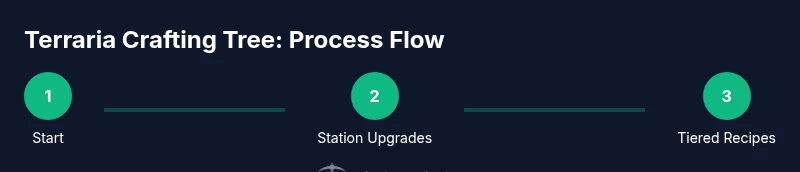
You can master the Terraria crafting tree by plotting a clear progression: start with basic resources and a Work Bench, then unlock furnaces and anvils to access metal gear. Add stations like Loom and Alchemy Table as you advance, and map recipes tier by tier. This approach minimizes backtracking and maximizes resource efficiency for steady, reliable upgrades.
Understanding the Terraria crafting tree
The crafting tree in Terraria is more than a catalog of recipes; it is a practical map of how your equipment and items unlock as you collect resources and upgrade crafting stations. When you think in tiers—early, mid, and late game—you can forecast what you need to craft next, which station you must unlock, and where you should place it in your base. According to Pixel Survival, a well-planned crafting tree reduces backtracking and helps you spend mats where they matter most. This mindset turns a sprawling inventory into a focused progression plan: you begin with wood and stone, then unlock a Work Bench, then add a Furnace, an Anvil, and a Loom, and finally reach endgame weaponry and armor. Keeping the tree in mind also guides your exploration, so you know which biome to visit for essential drops and which ores to target on specific days. Embrace the tiered view, and your journey from shelter to hardmode becomes smoother and more repeatable across world seeds.
Why a crafting tree matters for Terraria players
- It clarifies which stations unlock which recipes, helping you prioritize building space and crafting time.
- It prevents resource waste by highlighting exact mats needed for each tier.
- It aligns your base layout with progression, reducing travel time and increasing efficiency during long play sessions.
How to approach it in practice
Start with the most accessible resources and a Work Bench, then add a Furnace to unlock metal bars. Each new bar tier unlocks better tools and armor, which in turn enable access to more advanced recipes. As you enter late game, Looms and Alchemy Tables become important for clothing and potions. The crafting tree isn’t a fixed map; it’s a flexible plan you adapt to your world, biome, and play style.
In short, the Terraria crafting tree is your guide to pacing upgrades and gathering, ensuring you spend time efficiently and stay ahead of the curve. Pixel Survival emphasizes planning ahead to minimize detours and wasted mats. Keep this perspective in mind as you adventure, mine, and craft.
Strategic takeaway
A clear crafting tree reduces chaos in your base and accelerates your progression by focusing your resource streams toward defined upgrades and stations.
Tools & Materials
- Work Bench(Unlocks basic recipes and furniture placement)
- Furnace(Smelts ores into bars and crafts glass)
- Anvil(Allows crafting of metal tools and armor from bars)
- Loom(Needed for cloth goods and banners)
- Cooking Pot(Brews meals for temporary stat boosts)
- Alchemy Table(Brews potions from herbs and ingredients)
- Bookcase(Decorative; not essential for progression)
- Wood(Primary building material for early bases and stations)
- Stone(Used for foundations, furnaces, and paths)
- Copper Ore(Early bar material; start your metal tier)
- Iron Ore(Mid-tier bar material; opens stronger equipment)
- Gold Ore(Helpful upgrade resource later; optional)
Steps
Estimated time: 60-120 minutes
- 1
Audit resources and define goals
Take stock of starting materials and decide on a tiered progression path (early, mid, late). Identify one or two endgame targets to guide your farming and station placement.
Tip: Create a simple checklist in-game or on paper to track which recipes you’ve unlocked. - 2
Establish essential stations
Place a Work Bench, a Furnace, and an Anvil near your starting base. These three unlock the majority of early- to mid-game recipes and set the tone for your crafting tree.
Tip: Keep station lines compact to minimize travel between crafting actions. - 3
Map early recipes and resources
Review the in-game recipe list to see which items require which stations and mats. Prioritize items that unlock further tiers, like basic tools and armor upgrades.
Tip: Note any cycles where you need multiple ores; plan mining trips to feed those cycles. - 4
Expand to mid-game metals
Unlock copper and iron bars, then craft mid-tier weapons and armor. Each new bar tier opens additional recipes and strengthens your exploration potential.
Tip: Aim to diversify ore sources to avoid bottlenecks in production. - 5
Integrate clothing and potions
Add Loom for clothing sets and an Alchemy Table or Cooking Pot for consumables. These upgrades boost survivability and efficiency in tougher areas.
Tip: Potions can dramatically shift combat outcomes; plan early on where you’ll farm herb and potion ingredients. - 6
Prepare for hardmode progression
Hardmode introduces new ores and stations. Map which metals (e.g., Mythril/Orichalcum) you’ll chase and ensure your base can host the future stations.
Tip: Keep a stash of mats for emergency gear if you encounter difficult early hardmode biomes. - 7
Reassess and adapt your tree
Periodically review your progress and adjust the plan as you acquire seeds, biomes, or alternative recipes. Flexibility keeps you on track.
Tip: Use a quick rotation of tasks: mine, craft, stockpile, build, and reassess.
Got Questions?
What is a crafting tree in Terraria?
A crafting tree is a progression map that shows which recipes unlock as you upgrade stations and gather materials, guiding you from basic to endgame gear.
A crafting tree maps how recipes unlock as you gather resources and upgrade crafting stations.
Which crafting stations are essential for early progress?
The Work Bench, Furnace, and Anvil are essential for unlocking the majority of early to mid-game recipes. Loom and Cooking Pot are helpful for clothing and meals but not strictly required for progression.
Work Bench, Furnace, and Anvil are the core stations you’ll need early on.
How do I start mapping my crafting tree?
Begin by listing available stations and the mats you can farm. Then create tiered goals (early, mid, late) and draft which recipes you want at each stage, updating as you unlock new options.
Start by listing stations and mats, then plan tiers and the recipes you want at each stage.
Do I need to plan hardmode from day one?
Not from day one, but keeping endgame in mind helps you prioritize mats and stations that enable hardmode progression without backtracking.
Think ahead to hardmode, but don’t overcommit early on.
How many crafting benches should I have?
One primary workbench is enough in most bases, but you can place additional benches to speed up multi-station crafting if space allows.
Typically one bench is enough, but extra benches can speed things up.
What resources unlock key recipes?
Key recipes unlock as you upgrade stations and gather required mats. Always consult the crafting menu to see what unlocks next and what you still need.
Recipes unlock when you upgrade stations and collect mats; check the menu often.
Watch Video
Key Points
- Plan progression by tiers to stay efficient.
- Centralize essential stations for quick crafting.
- Map recipes to minimize backtracking and mats waste.
- Adapt the crafting tree to your seeds and world.