Terraria World: Step-by-Step Progression Guide
Practical, step-by-step guide to building and progressing in a Terraria world. Learn seeds, biomes, base-building, and boss milestones with Pixel Survival's expert insights.


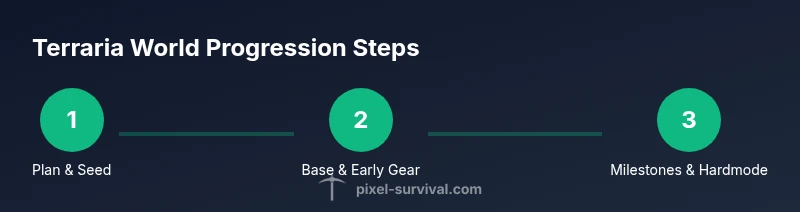
In this guide you will learn how to establish a solid Terraria world from zero, set up your first base, and progress through biomes, equipment, and key milestones. You’ll follow a practical, step-by-step plan designed for steady progression, practical farming, and boss readiness. By the end, you’ll know how to optimize resources, exploration routes, and survival strategy.
Why a well-planned Terraria world matters
A well-planned terraria world sets the stage for smooth progression, smoother exploration, and faster access to gear and biomes. Starting with a clear map of your goals helps you avoid backtracking and wasted time. According to Pixel Survival, players who outline a simple progression plan perform better in the early game and reach hardmode with fewer detours. In the context of a broader terraria world, this planning is not just about aesthetics; it anchors survival choices, resource flows, and risk management as you expand from a starter hut to a thriving base. The terraria world you build influences everything from ore distributions to biome access, so a thoughtful layout rewards patience, curiosity, and careful resource management. Use a basic template to mark your base, chest network, helpp points, and safe zones, then adapt as you explore new biomes and events.
Understanding world seeds and biomes
In Terraria, every world begins with a seed that shapes terrain generation, biome placement, and resource spawns. The terraria world you experience is a product of seed and world size (small, medium, large). Understanding these factors helps you predict where ores may appear, how many biomes you’ll encounter, and where you should start your first base. Some seeds spawn closer to a surface biome, while others place corruption or crimson pockets early. Map awareness matters: locating corruption/Crimson pockets, jungle, desert, and dungeon early on lets you plan routes for safe traversal and efficient mining. Use the in-game map to tag key spots, such as cave entrances, ore veins, and safe houses. This knowledge makes terrain less random and more navigable, turning exploration from a hit-or-miss endeavor into a deliberate, resourceful journey through your terraria world.
Early-game base building and resource routing
Your first base sets the tone for your terraria world progression. Build a compact shelter with a door, a few chests, and a crafting area near a reliable water source. Set up an accessible mine shaft that runs toward ore-rich layers, and create quick access routes to your farming plots. Efficient resource routing means you’ll spend less time running between tasks and more time farming, crafting, and improving gear. Plan a reliable wood supply to sustain growth, and prioritize torchlight and early weapons to survive the first night. Keep a simple baseline for food, ammo, and defense, and gradually expand to a second base for mining, farming, and storage. The goal is a modular terraria world layout that scales with your progression rather than a single sprawling, fragile fortress.
Exploration routes and map-aware progression
A map-aware approach to exploration lets you uncover new biomes, dungeons, and ore veins without losing your sense of direction. In the terraria world, prioritize horizontal sweep to locate the nearest dungeon, then explore vertically to access ore layers. Use rope, platforms, and torches to navigate safely through caverns, and mark exit points for quick return. Balanced exploration covers surface biomes, underground layers, and sky islands as you move from wood-and-leather gear into metal armor. Each biome offers unique resources and challenges; plan to visit desert for sand and glass, jungle for life crystals, and the dungeon for early access to powerful weapons. An intentional exploration path reduces backtracking and accelerates your world’s overall progression.
Hoard and manage resources: ores, mining, and pre-Hardmode goals
Resource management is the backbone of a solid terraria world. Establish a simple inventory system, label chests by material type, and stockpile a sustainable supply of iron, copper, lead, and tin. Prioritize early mining for ore-rich veins, then upgrade tools and armor as you gather better materials. Skybridges, minecart rails, and farming plots can help you transport goods efficiently between base and mine. At this stage, you’ll also want to tackle gathering seeds for crops, setting up a water and lava barrier to safeguard your base, and building a safe conduit to underground areas. The aim is a steady resource flow that supports ongoing upgrades, repairs, and defense as you approach the next major milestones in your terraria world.
Boss milestones and progression milestones
Bosses provide the natural spine of progression in Terraria. Start with early minions like the Eye of Cthulhu or Eater of Worlds depending on your world style, then advance to more challenging bosses as gear improves. Defeating bosses yields material drops, access to new crafting recipes, and new biomes to explore. Build a ritual pathway for boss fights with defensive walls, healing zones, and weapon optimization. Keep a careful eye on your health and mana or energy resources while learning boss patterns. As you progress, adapt your gear to the scale of threats; some players favor ranged weapons, while others focus on melee with strong defense. The terraria world unfolds its challenges in a measured pace when you time your milestones with proper preparation.
Preparing for Hardmode: tips and milestones
Hardmode marks a turning point in any terraria world. Prepare by refining your machinery—anvil, furnaces, and reliable ore access—so you can craft better armor, weapons, and tools. Pixel Survival analysis shows that successful players in early Hardmode invest in mobility and safety: platforms, ropes, and extra hearts. Build a spare world map with quick travel paths, and ensure your base includes a dedicated area for farming and potion brewing. Prioritize obtaining gear that counters mechanical bosses and skeletron if you’re in a semi-hard world. By stockpiling resources, optimizing your mining routes, and establishing efficient storage, you’ll transition to Hardmode with confidence. The terraria world changes dramatically in this phase, so deliberate planning is essential.
Biome-specific tips and world events
Each biome in the terraria world presents distinct resources, enemies, and hazards. The desert offers glass and sand; the jungle provides life crystals and unique flora; the dungeon unlocks powerful equipment later in progression. Plan dedicated roosts and corridors to manage enemies and maintain safety. World events such as Goblin Invasion or Blood Moon demand strategic planning and quick adaptation; establish a safe zone and fallback routes to survive these challenges. A well-balanced terraria world includes diverse biomes, enabling a steady supply of materials and opportunities for exploration without overwhelming you with one looming hazard. Stay alert to changes in weather, enemy spawns, and biome rotations that may impact farming and mining.
Advanced progression and endgame planning
Beyond the basics, the terraria world rewards players who map the long-term progression. Focus on rare drops, post-mechanics or lunar events depending on world seed, and set long-term goals such as completing all crafting trees, collecting every weapon, and building a sprawling base network that ties biomes together. Plan for hard-to-find resources like meteorites, chlorophyte, and endgame gear, then organize a rotating schedule of boss trials to keep your skills sharp. The world’s design should support both exploration and build projects; experimental structures and clever transport routes help you stay invested while grinding. Pixel Survival's guidance emphasizes modular expansions, milestone checklists, and adaptive strategies to keep your terraria world engaging and playable long-term.
Common pitfalls and how to recover
Avoid common mistakes like sprawling too early without defense, neglecting storage, or ignoring biomes that appear on the map. Keep your health topped up, secure your base against night attacks, and back up your world seed to avoid lost progress. If your terraria world feels stuck, backtrack to a previous milestone, rebuild your base with simpler layouts, and re-evaluate your resource routes. Remember to save regularly and test new routes with small experiments before committing to major overhauls. Recovery is possible with patience, thoughtful planning, and a willingness to adapt your terraria world as you learn from each session.
Tools & Materials
- Terraria game (PC/Console/Mobile)(Ensure you’re on the latest version (1.4+ preferred).)
- World seed (randomized or chosen seed)(Useful for biome distribution and ore placement.)
- In-game map or notebook(Optional for planning routes and milestones.)
- Note-taking medium(Digital or paper to track milestones.)
- Access to this guide (Pixel Survival)(Optional reference material.)
Steps
Estimated time: 60-120 minutes
- 1
Create a new world and name it
Open Terraria, select New World, choose a size, and name your world. Decide early whether you want a small, medium, or large world based on your typical play session length. This initial setup defines seed behavior and affects early resource distribution. Take a moment to visualize your starter base and safe routes before you spawn.
Tip: Choose a world size you’ll realistically finish in your typical playtime. - 2
Set up a safe starter base
Build a small, defendable shelter with a door, basic crafting area, and a few chests close to a water source. Prioritize easy access to torches and a quick mining shaft. A compact, modular base helps you expand without reorganizing your entire layout.
Tip: Place a bed early if you’re playing with bosses available; it speeds up progression checks. - 3
Forge essential early gear
Gather basic metals (copper/iron/lead) to craft tools, armor, and weapons. Upgrade your weapons as soon as better materials appear and construct a simple anvil to unlock crafting recipes. Early gear is the foundation for surviving night monsters and progressing deeper underground.
Tip: Aim for a small iron or copper set before exploring deeper caves. - 4
Map and route planning
Use the in-game map to mark cave entrances, ore veins, and safe routes. Create a basic network of tunnels or platforms that connect your base, mining areas, and farming plots. Efficient routing reduces backtracking and speeds resource gathering.
Tip: Label chest contents to avoid repeated searches. - 5
Tackle initial exploration and milestones
Begin exploring biomes to find key resources like wood, clay, and early crystals. Set short-term milestones such as reaching a particular depth, stocking 2–3 chests per material, and defeating a minor boss. Each milestone should be achievable within a few sessions.
Tip: Keep a mental or written checklist of milestones to stay focused. - 6
Plan for Hardmode transition
Prepare by stocking essential resources, improving mobility with ropes and platforms, and securing a steady food supply. Ensure you have armor upgrades and decent weapons to face mechanical threats later. This step lays the groundwork for Hardmode once you meet the triggering conditions.
Tip: Allocate a dedicated farming area for potions and consumables.
Got Questions?
What defines a strong start for a Terraria world?
A strong start focuses on a safe base, reliable resource flow, and a clear exploration plan. Secure essential tools, build a chest network, and map early biomes to prevent repeated backtracking.
Begin with a safe base, organize your resources, and map key biomes to set up steady progression.
Should I always seed my world for progression?
Seeds influence terrain and biomes; randomized seeds give variety, while deliberate seeds can shape ore distribution. Use seeds to favor early resource access or to test different biome layouts.
Seeds change layout; choose seeds that fit your progression goals.
When is it best to fight bosses?
Aim for sufficient armor, weapons, and healing items before attempting bosses. Start with early bosses to unlock better drops and new crafting options.
Tackle bosses after you’re reasonably geared to survive their patterns.
How do I transition to Hardmode?
Defeat the mechanical bosses or meet the world’s progression trigger to enter Hardmode. Prepare by upgrading gear, securing mobility, and ensuring a steady resource flow.
Defeat the Mechanical Bosses to unlock Hardmode.
What if my world gets overwhelmed by corruption/crimson?
Balance biomes on your map, fortify safe corridors, and use purification methods or block expansions that allow for safer navigation. Adapt your route to avoid overwhelming areas until you’re prepared.
If corruption spreads, reinforce safe routes and rebalance your exploration plan.
Watch Video
Key Points
- Plan your terraria world layout before expanding
- Base-building and resource routing save time
- Progress through milestones starts with small, repeatable steps
- Prepare for Hardmode with gear, mobility, and storage
- Maintain organization to avoid backtracking and frustration