When to Fish Terraria: A Practical Timing Guide
Learn when to fish in Terraria, how time of day, weather, and biomes affect bites, and practical steps to plan efficient fishing sessions for progression.


Goal: know when to fish terraria and how to plan a productive session. In Terraria, bite windows depend on time of day, weather, and biome. Start by noting that some fish only appear under specific conditions, and use the right bait and a basic rod to maximize your chances. This quick answer covers timing rules and essential gear to begin fishing.
Why timing matters in Terraria fishing
Timing is a core factor in Terraria fishing. While you can fish in most water bodies at any time, bite speed and the chance to locate rare fish shift with time of day, weather, and biome. The Pixel Survival team emphasizes that planning around these conditions yields faster progression and fewer wasted casts. For beginners, this means prioritizing clear water and calm sections during the day, then exploring biomes that host specialty fish as your gear improves. As you play, you’ll notice certain fish are more common under specific conditions, which is why a flexible, condition-aware approach pays off. Document the fish you want and map out where and when they appear, so your sessions stay efficient rather than random. This foundational awareness keeps you focused as you upgrade gear and unlock new zones.
The core mechanics: rods, bait, and bites
At the heart of fishing in Terraria are three ingredients: a pole, bait, and water. A basic Wooden Fishing Pole lets you cast into any water body, while different bait types influence bite speed and which fish you attract. Worms, grasshoppers, and other local bait options vary in effectiveness by biome and season in-game, so stock a small variety. The bait you choose should align with your target species; some fish respond better to common worm bait, others to biome-specific options. Bites appear as a float on the line, and you’ll know you’ve hooked something when the bobber dips and a prompt appears. The more you understand each bait’s strengths, the quicker you’ll fill your inventory with the right catches for quests, progression, and crafting.
Biomes and their influence on catches
Terraria biomes act like fishing themed storefronts: certain fish and rewards cluster around specific environments. Coastal, jungle, snow, desert, and inland freshwater zones each host a unique roster of fish. The location you choose should match the fish you’re targeting; early on, stick to safer water near your base to collect common fish. As you upgrade your gear, you’ll unlock access to deeper biomes or the ocean, where rarer catches await. The key is to understand which biome offers the best returns for your current progression. Pixel Survival’s approach suggests scouting a few nearby biomes for a small list of dependable catches before attempting long trips to distant waters.
Time of day and bite patterns
Daytime and nighttime fishing play very different roles in Terraria. Many common fish are easier to catch during the day, while certain rarer species only appear at night, often requiring a different bait or rod tier. If you’re chasing a specific fish with strict appearance conditions, waiting for the right window can drastically reduce empty casts. The practical takeaway is to build a simple schedule: first target easy, abundant fish in daylight, then shift to night-only species as your equipment improves. This rhythm keeps your sessions productive and avoids the frustration of fishing aimlessly in the dark.
Weather effects on fishing efficiency
Weather can subtly influence bite rates and the availability of some species. Clear skies usually correlate with steadier bites, whereas rain and storms may increase bite chances for certain fish or reduce visibility. While exact percentages are not always published, experienced players learn to time outings with weather patterns. Pixel Survival recommends checking in-game weather before a session and planning accordingly. If you’re new, try to design your first fishing run on a calm day to build familiarity before experimenting with rain or storm conditions.
Spot selection and bait strategy by condition
Choosing the right water body and bait type is essential to efficient fishing. Start with a nearby pond or river to practice the basics, then expand to oceanfront pools or biome-specific lakes for rarer targets. In practice, prepare a small assortment of bait: one basic, one biome-specific, and a few specialty options for late-game fish. This flexibility lets you switch quickly if bites stall or if a more valuable species appears. Keeping a mental map of where aspiring catches are located helps you minimize travel time and maximize landing rates.
A practical, step-by-step fishing plan
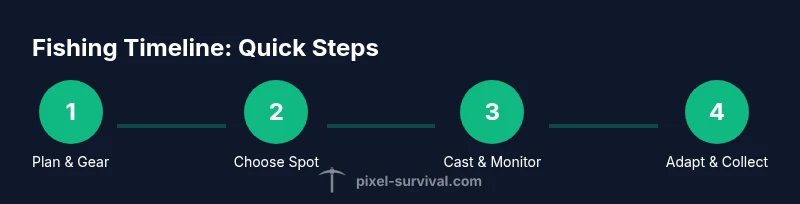
Planning your fishing session around a simple framework makes the activity repeatable and efficient. First, check the day-night cycle and expected weather. Next, pick a water body that aligns with your current target list. Then equip a versatile bait kit and the best rod you currently possess. Cast, watch the bobber, and respond to bites promptly. If you encounter a catch you didn’t anticipate, adjust by moving to a neighboring biome or changing bait. Record what worked for future trips and gradually build an optimized route that minimizes downtime.
Common mistakes and how to avoid them
Common missteps include trying to fish in dangerous areas, overdemanding every session, or carrying too few bait types. Another trap is ignoring biome-specific fish and chasing only rare targets, which stalls progress. To avoid these, keep a short list of 5–7 target species per session, prioritize safe water, and always carry a small variety of bait and a basic rod upgrade for flexibility. Also, remember that impatience leads to unnecessary casts—variance in bite timing is part of the game, so stay patient and adapt your strategy as needed.
Quick-start checklist for beginners
- Acquire a basic fishing rod and starter bait
- Identify a safe body of water near your base
- Learn the day-night cycle and expected weather for your world
- Carry at least 2-3 bait types suitable for nearby biomes
- Practice casting and watching the bobber in calm conditions
Advanced tips for late-game fishing progression
As you advance, you’ll unlock ocean zones, biome-specific lakes, and even underwater fishing. For late-game efficiency, maintain a flexible kit that includes top-tier bait and multiple rods or fishing lines, if available. Build a small, portable fishing nook with a simple shelter to protect you from hostile mobs while you fish. Track which species drop valuable items for quests or crafting, and plan long sessions around those targets. The blend of biome knowledge, weather awareness, and equipment upgrades will dramatically accelerate progression.
Tools & Materials
- Wooden Fishing Pole(Craft from 15 Wood; usable in any water body to start fishing.)
- Bait (worms, grasshoppers, etc.)(Carry a small assortment to adapt to local species.)
- Water source access(Found near base or a safe area with water depth suitable for fishing.)
- Basic rod upgrade or better(If available, use a stronger pole to improve bite latency.)
- Inventory space(Keep room for caught fish and bait while exploring.)
Steps
Estimated time: 40-60 minutes
- 1
Prepare gear and water access
Equip a basic fishing pole and a small assortment of bait. Find a nearby safe water body you can access quickly for repeated sessions. This keeps initial fishing simple and reduces time wasted traveling.
Tip: Keep your hotbar organized so you can switch bait without fumbling. - 2
Check conditions and plan target fish
Look at the day-night cycle and weather in your world. Decide which fish you’re aiming for based on current conditions and biome proximity. Having a target list helps you stay focused.
Tip: Write down 2-3 target species per session to guide your route. - 3
Select a water body and gear
Choose a water body that aligns with your target fish. If you lack a lot of gear, start with a safer pond near your base; upgrade to ocean or biome-specific lakes as you progress.
Tip: If bites stall, switch bait or move to a different biome. - 4
Cast and monitor the bobber
Cast into the water and watch the bobber for a bite. When it dips, click to reel in quickly. If you miss, reset and adjust your position or bait.
Tip: Stay alert for nearby enemies; don’t fish in hazardous zones. - 5
Adapt and continue catching
If you’re not getting bites, swap to a more suitable bait or try a nearby water body. Early on, focus on common fish to build your collection and unlock progression.
Tip: Keep a small notebook of which bait worked best where. - 6
Gather, store, and repeat
Collect your catches, store them logically, and plan the next session. Regular practice helps you optimize routes and tactics for faster progression.
Tip: Review success after each run to refine your plan.
Got Questions?
What affects fishing bite rates in Terraria?
Bite rates depend on time of day, weather, biome, and bait choice. As you upgrade your gear, you’ll access fish with different conditions. Start with nearby waters during the day and experiment with different bait to improve success.
Bite rates depend on day or night, weather, and the biome you’re in, plus the bait you use.
Do certain fish only appear during specific times?
Yes. Some fish spawn only under particular conditions such as nighttime or certain biomes. Knowing these patterns helps you target them efficiently rather than chasing common catches indiscriminately.
Some fish only appear at specific times or biomes, so plan your trip around those conditions.
What gear do I need to start fishing?
At minimum, a wooden fishing pole and basic bait are enough to start. As you progress, upgrade your rod and diversify bait to target rarer species and complete progression goals.
You only need a basic pole and some bait to start, then upgrade as you progress.
Which biomes are best for beginners?
Coastal and inland freshwater biomes near your base are ideal for beginners. They offer dependable catches and easier navigation while you learn the rhythm of fishing.
Coastal and inland freshwater areas near your base are great for starting out.
How can I maximize bites during a session?
Carry a few different bait types, stay in water that matches your target fish, and adjust to day-night and weather changes. A planned route reduces wasted casts and boosts catch rate.
Use different bait, pick the right water, and adapt to the weather and time of day.
Watch Video
Key Points
- Plan sessions around time, weather, and biome conditions
- Carry versatile bait and a basic rod early on
- Target nearby waters to build your collection quickly
- Switch bait and spots to maximize bites and progression
- Record what works to improve future fishing routes