How to Make a House in Terraria: Step-by-Step Guide
Learn how to build a sturdy Terraria house with proper housing requirements, lighting, and NPC-friendly design. A practical, beginner-friendly walkthrough for players aiming to house NPCs efficiently.


This guide shows you how to make a house in terraria by planning a compact space, enclosing it with walls, adding a door and lighting, and furnishing it for NPC comfort. You’ll learn housing rules, essential materials, and practical tips for starting and expanding your first home.
Planning Your Terraria House: Purpose, Location, and Design
A good house in Terraria serves as a safe, NPC-friendly base that supports exploration and progression. Start by choosing a location near resources and with flat terrain for easier building. Plan the footprint so you can expand later without rework. Consider biome, lighting, and accessibility, because NPCs respond to comfort and convenience. When you’re tackling how to make a house in terraria, aim for a compact, rectangular first draft, which minimizes wall material and allows quick upgrades. In the early game, wood is plentiful and forgiving for walls and floors. Don’t forget to prepare background walls before decorating; NPCs only count rooms with proper interiors.
Choosing materials for your Terraria House: wood, stone, and more
Material choice affects durability, aesthetics, and ease of building. Wood is the easiest to obtain early on and works well for walls, floors, and furniture frames. Stone or brick offers stronger defense and a different look as you upgrade, especially in night raids. Biome-specific builds may benefit from brick, metal, or desert-themed blocks to match the environment. Remember interior background walls are required for housing, so place walls behind your blocks to form a true interior. Lighting matters for visibility and mood; torches, lanterns, or glow items improve NPC happiness and safety. Plan transitions between materials as you unlock new resources.
Minimum house requirements and interior space basics
A valid house must be enclosed by solid blocks on all sides, include background walls inside, and contain lighting plus furniture like a chair and table. The interior should offer enough space for NPC movement; a starter room typically accommodates a single NPC. The housing UI will display whether the room qualifies as housing; if not, verify walls, lighting, and furniture. As you grow, you’ll create multiple rooms to host additional NPCs, remembering that each house must be independently enclosed and accessible. Keep your design simple at first to avoid common housing mistakes.
Doors, furniture, and room layout best practices
A single door is enough for a basic house, but ensure pathways remain clear for NPCs to move in and out. Position a chair and table to establish a functional workspace, and add a bed or workbench if you have them. Background walls should be complete so the interior is counted as a room, and avoid gaps that NPCs could wander through or enemies could exploit. Lighting should be consistent to eliminate dark corners that reduce NPC happiness. Use simple, unobstructed layouts to facilitate future expansions without reworking existing rooms.
Aesthetic touches: biomes, color schemes, and NPC-friendly decor
Decoration improves NPC mood and may influence spawn behavior. Use biome-appropriate color schemes and wallpapers to create a cohesive look while keeping the space practical. Choose furniture and decor that complement the wall materials and lighting. A consistent theme—like warm wood with amber lighting or cool stone with lanterns—helps you quickly recognize your base. Remember that clean, organized interiors are not only attractive but also easier to navigate, which saves time during exploration and combat.
Common pitfalls and how to fix them quickly
Common mistakes include missing background walls, misplacing doors, and making rooms too small. Always verify interior walls and furniture before testing housing. If a room fails to count as housing, recheck lighting, walls, and the presence of a chair and table. Gaps in walls or poorly lit corners can invalidate housing, so fill holes and adjust lighting to ensure a safe, welcoming space. Avoid clutter that blocks NPC movement and doors, as this can disrupt NPC flow and functionality.
Early vs late-game housing: progression and upgrade paths
Early housing focuses on quick wood builds with basic lighting and essential furniture. As you progress, upgrade to stone or brick walls for durability and to suit more NPCs. Late-game housing often features more complex layouts to accommodate multiple NPCs and crafting stations. The constant principles remain: enclosed spaces with background walls, adequate lighting, and purposeful furniture. By planning upgrades ahead, you’ll be ready to expand your base as you unlock new NPCs and opportunities.
Troubleshooting build scenarios: step-by-step examples
If a house isn’t counted as housing, re-check for background walls and the required furniture (chair and table). Ensure the interior is enclosed and reachable by NPCs; fix any holes or gaps in walls. In biomes with scarce resources, adapt materials while maintaining the core housing rules. If NPCs don’t move in despite what seems like a valid space, reduce clutter and ensure a single, accessible doorway. Always test with a day-night cycle to confirm stability and NPC behavior.
Tools & Materials
- Axe(Harvest wood for walls and floors)
- Hammer(Place background walls and furniture accurately)
- Pickaxe(Helpful for mining stone and ore as you upgrade)
- Wood(Primary material for early walls and décor)
- Stone(Alternative, useful for durability and aesthetic variety)
- Torch/Lighting(Illumination for interior safety and mood)
- Door(Entrance to the house)
Steps
Estimated time: 60-120 minutes
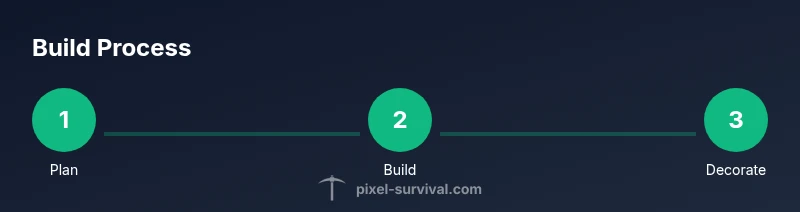
- 1
Plan and gather resources
Outline your house layout and collect wood, stone, and light sources. Ensure you have space for a door, chair, and table.
Tip: Plan a rectangular layout that is easy to expand. - 2
Clear and frame the exterior
Choose a flat area and frame the outer walls using your chosen material. Keep the footprint simple to avoid navigation issues.
Tip: Avoid overly complex corners to maintain NPC pathing. - 3
Add background walls and lighting
Fill the interior with background walls and place torches or lamps for even lighting.
Tip: Lighting should illuminate corners to prevent shadowy spots. - 4
Install door and furniture
Place the door and arrange a chair and table to establish a functional room.
Tip: Position furniture away from the door to keep access clear. - 5
Validate housing and adjust
Open the housing menu and verify the room is valid for NPCs. Adjust size and lighting if needed.
Tip: A single chamber can count for one NPC; add more if you plan to house multiple NPCs. - 6
Decorate and optimize
Add decorative elements that suit the biome while preserving clear paths and light sources.
Tip: Choose cohesive color schemes for a polished look. - 7
Plan upgrades for progression
Keep space ready for additional NPCs and crafting stations as you progress.
Tip: Modular design makes future expansion easier. - 8
Test and iterate
Play through a day-night cycle to ensure no hazards; test NPCs moving in.
Tip: Iterate based on NPC feedback and ease of access.
Got Questions?
Do I need background walls to build a house?
Yes. Housing requires a room enclosed by solid blocks with background walls so NPCs can count it as a valid home.
Yes, housing requires background walls for NPCs to recognize the space as a home.
What is the minimum size for a Terraria house?
A valid house must be enclosed, have background walls, lighting, and furniture like a chair and table, with enough interior space for NPC movement. The exact area is typically at least 60 tiles.
Houses must be enclosed with background walls and furnished; the interior should provide space for movement.
Can NPCs live in any house?
NPCs will move in when housing rules are satisfied: a valid room, lighting, and appropriate furniture. Their presence depends on game progression and biome suitability.
NPCs move in when a room meets housing rules and progression conditions.
What materials are best for early houses?
Wood is the simplest and most accessible early material; you can switch to stone or brick later for durability and style.
Wood is best early on; upgrade to stone or brick as you progress.
How do I check if a room is valid housing?
Open the housing menu; it will show whether the room qualifies as housing and what changes are needed to satisfy requirements.
Open the housing menu to see if your room is valid housing.
Is a door required for housing?
A door isn’t strictly required, but a secure entrance helps maintain the room’s function and NPC comfort.
Doors help with accessibility and security for a housing room.
Can I decorate without affecting housing?
Decor can improve NPC happiness but avoid clutter that blocks movement or hides essential items.
Decorations should look good but not obstruct the room or essential furniture.
Watch Video
Key Points
- Plan housing before building to save materials.
- Enclose rooms with background walls for valid housing.
- Furnish with a chair and table to satisfy NPC requirements.
- Use lighting to boost NPC happiness and visibility.
- Upgrade materials as you progress to accommodate more NPCs.